How to Perform a Reverse Email Search: A Complete Guide

Have you ever received an email from an unknown sender and wished you could verify their identity? A reverse email search can help you uncover valuable information about the person or organization behind an email address. In this comprehensive guide, we'll explore everything you need to know about performing a reverse email search effectively.

What is a Reverse Email Search?

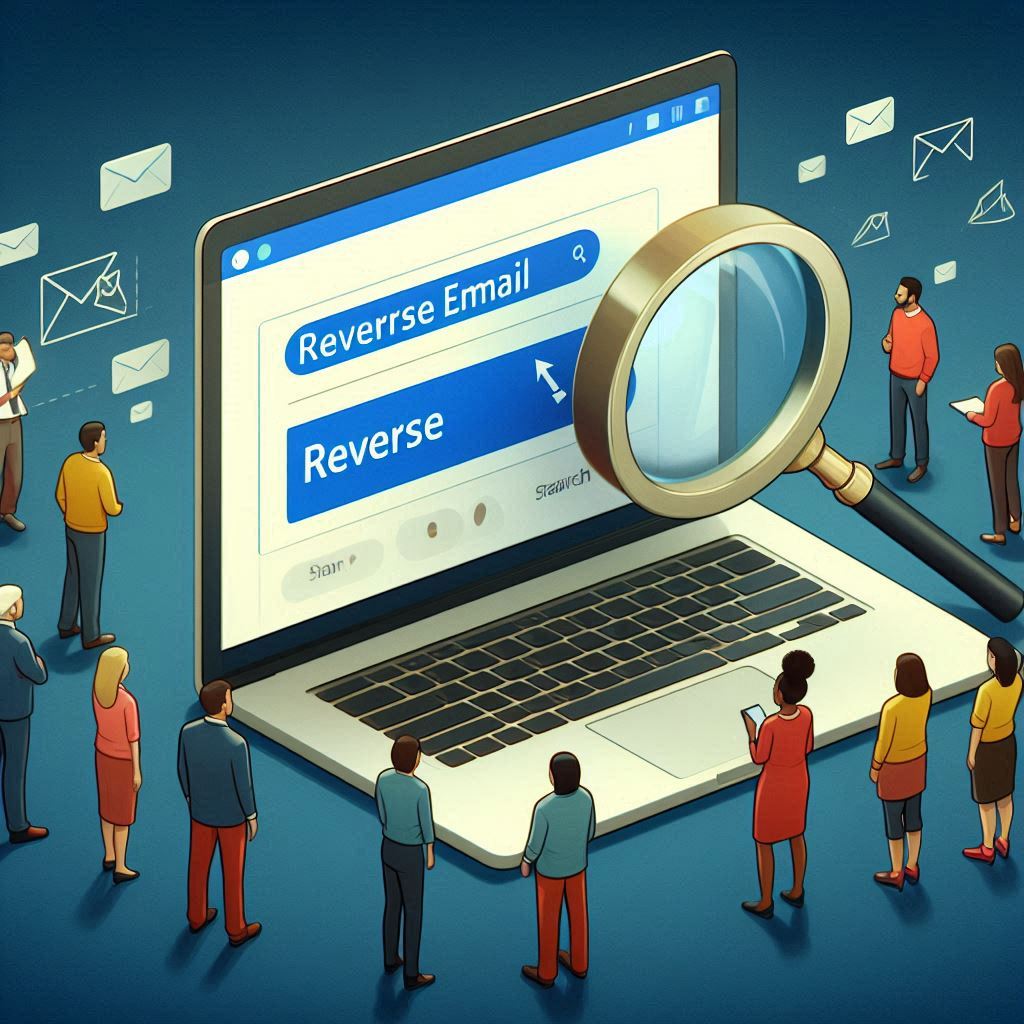
Reverse Email search

A reverse email search is a process of using an email address to find information about its owner. This can include their name, social media profiles, professional background, and other online presence. It's a valuable tool for:

  • Verifying someone's identity
  • Protecting yourself from potential scams
  • Background checking business contacts
  • Reconnecting with old friends or colleagues
  • Investigating suspicious emails

Methods to Perform a Reverse Email Search

1. Using Search Engines

The simplest way to start a reverse email search is through popular search engines:
  • Place the email address in quotation marks (e.g., “example@domain.com“)
  • Try searching with and without the @ symbol
  • Check both web results and image results
  • Look for social media profiles, forum posts, and business listings

2. Social Media Platforms

Social networks are goldmines for reverse email searches: 

  • Facebook’s search function can find profiles linked to email addresses 
  • LinkedIn often reveals professional information 
  • Twitter’s advanced search can uncover accounts 
  • Instagram may show personal profiles 
  • GitHub for tech-related searches 

3. Professional People Search Services

Several dedicated platforms specialize in reverse email searches:

  • Spokeo 
  • BeenVerified 
  • Intelius 
  • Pipl 
  • EmailSherlock

4. Free Email Search Tools

Consider these free alternatives:

  • Hunter.io
  • Email Checker
  • That’s Them
  • Google Advanced Search
  • Email Format

Best Practices for Reverse Email Searches

1. Cross-Reference Results

  • Verify information across multiple sources
  • Look for consistent patterns in the data
  • Don’t rely on a single search method

1. Ensure Legal Compliance

  • Respect privacy laws and regulations
  • Use information only for legitimate purposes
  • Be aware of your jurisdiction’s restrictions

3. Protect Your Own Privacy

  • Use secure browsers
  • Consider using a VPN
  • Clear search history after conducting searches

Common Use Cases for Reverse Email Search

1.Start Broad, Then Narrow Down

  • Begin with general search engines
  • Progress to specialized tools
  • Use multiple search variations

2. Document Your Findings

  • Keep records of search results
  • Note the sources of information
  • Track any inconsistencies

3. Look for Patterns

  • Check for consistent information across platforms
  • Notice any red flags or discrepancies
  • Pay attention to creation dates of accounts

Limitations of Reverse Email Search

Understanding the limitations helps set realistic expectations:

  • Not all email addresses will yield results
  • Some information may be outdated
  • Privacy settings can limit available data
  • Paid services may be necessary for detailed results
  • Results accuracy can vary

Protecting Your Own Email Privacy

While learning about reverse email searches, consider these tips to protect your own privacy:

  1. Use separate email addresses for different purposes
  2. Limit public visibility of your email address
  3. Regularly review your online presence
  4. Use privacy settings on social media
  5. Consider using email aliases for online services

Conclusion:

A reverse email search can be an invaluable tool when used correctly and ethically. Whether you’re verifying business contacts, ensuring personal safety, or reconnecting with old friends, knowing how to perform these searches effectively can provide crucial information. Remember to always respect privacy rights and use the information responsibly.

FAQs About Reverse Email Search

  • Is reverse email search legal? Yes, when used for legitimate purposes and following applicable privacy laws.
  • Are paid services worth it? Paid services often provide more comprehensive results but aren’t always necessary.
  • How accurate are reverse email search results? Accuracy varies depending on the source and how recently the information was updated.
  • Can I find someone’s physical address through email? While possible, this information isn’t always available and may require paid services.
  • How often should I update my search results? Regular updates are recommended for ongoing relationships or professional contacts

Leave a Comment

Your email address will not be published. Required fields are marked *

Scroll to Top